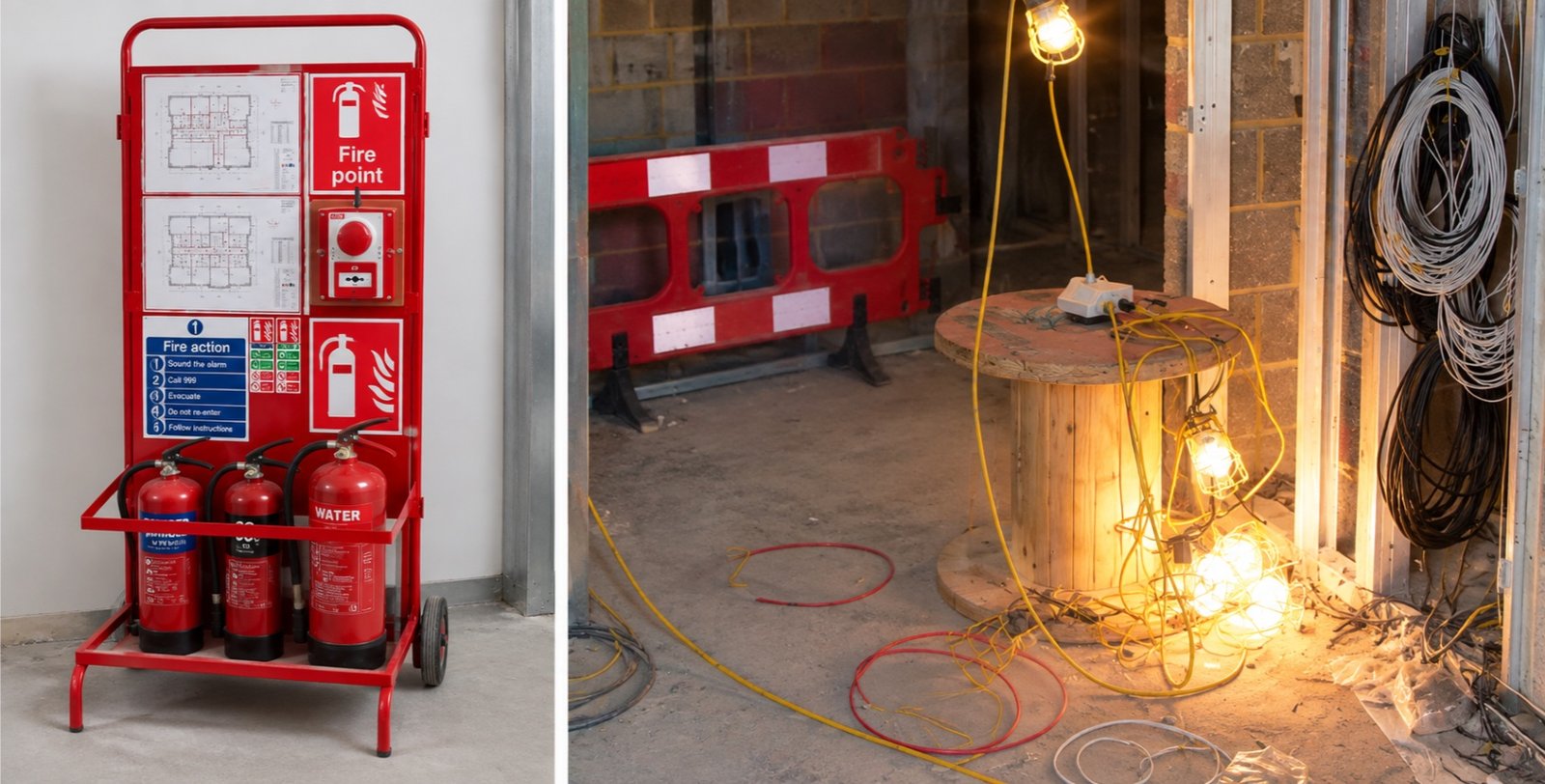
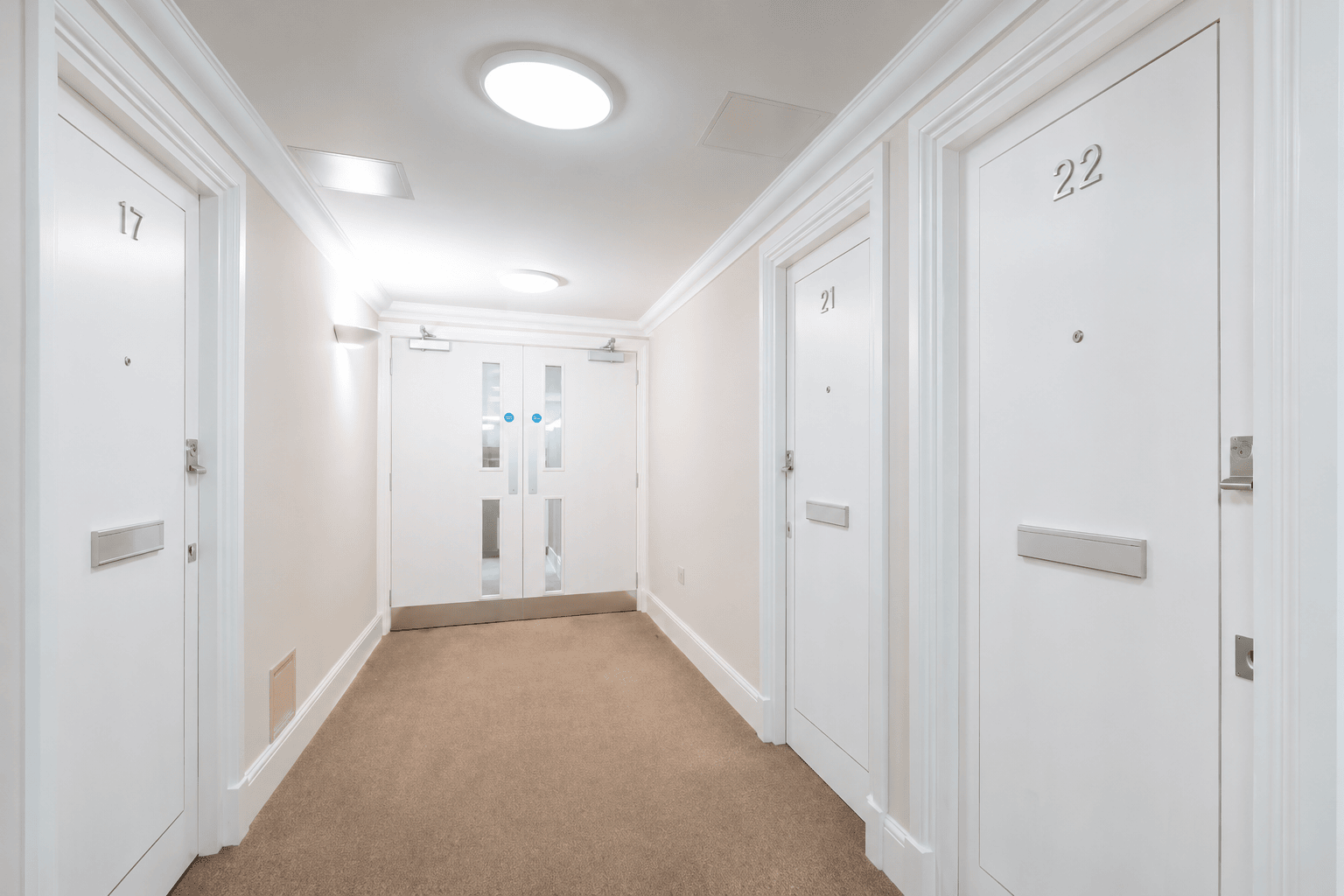
New fire safety laws came into effect on 6th April 2026. These regulations introduce mandatory evacuation planning for residents who may need extra help during an emergency.
These additional duties come at a time of significant change within fire safety legislation, requiring ongoing learning, understanding, and implementation to ensure compliance.
Here is what the Responsible Person (RP), building managers, and residents need to know.
Which Buildings Are Covered?
These regulations apply to all residential buildings in England which meet either of these criteria:
- High-rise residential buildings (at least 18 metres above ground level or with at least 7 storeys containing two or more sets of domestic dwellings).
- Multi-residential buildings more than 11 metres in height above ground level which have simultaneous evacuation strategies in place.
Purpose of The Regulations
These regulations were introduced to improve fire safety and support the evacuation of residents who may have difficulty evacuating a building independently.
Common examples may include residents with mobility issues, sight or hearing impairments, or cognitive conditions.
For the purpose of these regulations, those persons who may have difficulty evacuating a building safely are known as ‘Relevant Residents’.
Why Have These Regulations Been Introduced?
The regulations were introduced following several post-Grenfell inquiries and evacuation consultations.
The shared aim across these consultations was to improve fire safety and support the evacuation of residents who are unable to follow the building’s standard evacuation strategy without assistance.
Who Is a ‘Relevant Resident’?
A Relevant Resident is someone for whom their flat is their main home and who would find it difficult to evacuate the building without help.
Examples of who may be defined as a Relevant Resident include the following. It is important to note that these regulations apply to both adults and children:
- Mobility or physical disabilities.
- Sensory impairments (sight or hearing).
- Cognitive conditions (such as dementia or learning disabilities).
Duties of The Responsible Person
The Responsible Person has a duty to identify Relevant Residents as best as possible. This is through what the regulations define as ‘reasonable endeavours’ and includes:
- Ask once a year: Send an annual reminder to all residents.
- New arrivals: Check in with residents when they move in.
- Respond quickly: A Relevant Resident may approach the Responsible Person to make themselves and condition known.
A resident cannot be forced to identify themselves or engage with the Responsible Person if they choose not to participate.
If this is the case, the Responsible Person must record all details to evidence that ‘reasonable endeavours’ have been met.
Person Centred Fire Risk Assessment (PCFRA) and Emergency Evacuation Statements.
Once a Relevant Resident has been identified, and consent has been given, the Responsible Person must complete a Person-Centred Fire Risk Assessment (PCFRA) and Emergency Evacuation Statement.
Person-Centred Fire Risk Assessment:
The purpose of the PCFRA is to identify why a resident may be unable to follow the building’s standard evacuation procedure and what reasonable measures need to be introduced to assist.
The assessment must be tailored to the individual characteristics of the Relevant Resident.
The control measures introduced as a result of the PCFRA must be ‘reasonable and proportionate’. This means showing clear consideration has been given to:
- Overall cost, and who will bear the cost.
- Whether the measure benefits one resident or multiple residents.
- Who will benefit.
- How they will benefit (significance to life safety)
Emergency Evacuation Statement:
The Responsible Person must write a short, clear statement which has been developed specifically for the Relevant Resident using information from the PCFRA.
It must clearly document the steps to be taken by the resident in the event of fire:
- What assistance is needed.
- Who will provide it.
- What equipment might be used
Sharing of Information:
With the consent of the Relevant Resident, their flat number, floor, and assistance requirements need to be provided to the local Fire and Rescue Service. This is usually done by storing information within the secure on-site Information Box or digital portal.
Who Pays for Additional Control Measures?
With these new regulations, understanding any cost implications and who will bear them is a common question.
The Person-Centred Fire Risk Assessment (PCFRA): The cost of carrying out the PCFRA falls to the Responsible Person.
Common Areas: If the PCFRA requires better signage or lighting in the hallways, the Responsible Person will usually pay and recoup the cost through the service charge.
Inside the Flat: If a resident needs specialist equipment inside their home (such as a vibrating pillow alarm), the resident will usually cover the cost, though they may be eligible for a Disabled Facilities Grant (DFG).
The Building Emergency Evacuation Plan (BEEP)
In addition to individual plans, Responsible Persons must now maintain a Building Emergency Evacuation Plan. This is a “master document” for the whole building which confirms:
- That Relevant Residents have been identified.
- What the building-wide evacuation strategy is.
- What physical measures (such as evacuation chairs) are available.
Reviewing the Plans
As with most fire risk assessment processes, regular review is essential.
The requirement for review is a legal duty under the regulations and stipulates:
- No more than 12 months after the Emergency Evacuation Statement or PCFRA is completed.
- Whenever there is reason to believe the assessment or statement is no longer valid, e.g. changes to the building or a resident’s health condition.
- When requested to do so by the Relevant Resident.
- Following fire drills, false alarms, or emergency incidents to assess whether arrangements worked as intended or require improvement.
Summary
The introduction of The Fire Safety (Residential Evacuation Plans) (England) Regulations 2025 comes at a time of continued and significant change within fire safety legislation, creating ongoing learning for Responsible Persons and fire safety professionals alike.
The PCFRA process helps identify fire safety risks to residents which go beyond those typically considered during a standard fire risk assessment.
Need help navigating the 2025 Regulations? Contact Riskhop for expert advice on PCFRAs and evacuation planning.